 |
| Superfoods for Stress-Relief |
In actuality, the word “diet” simply means the foods eaten by a particular person or group. Our English word diet comes from the Greek diaita, meaning “manner of living.” So our diet is simply the foods and drinks we consume as part of our manner of living. Changing this part of our lives means just that, a change – not the beginning of some arduous period of self-deprivation. It also does not mean a period of weeks or months before we can see some results from this change. In fact, some foods can give you a nearly instant stress-reducing boost.
Fortunately, the physical signals that we are overstressed are limited and relatively well understood. This means that we can identify them and find anti-stress foods that combat these physical symptoms. These symptoms include a sharp increase in the stress hormones adrenaline and cortisol, an increase in heart rate and blood pressure, and rapid breathing leading to an accumulation of toxins in the blood. Stress also depletes our bodies of many important vitamins, especially Vitamin C, the B vitamins, calcium, and zinc. So what foods will reduce these symptoms, provide important nutrients, and lower our stress response?
What to Eat
Vitamin C is the primary component to look for when you want an instant stress reduction. While you can pop a vitamin pill, this form of Vitamin C is not only more difficult for your body to absorb than “fresh” from a fruit or vegetable, it also dissolves more slowly. If you want the fastest stress relief, eat fresh fruits containing lots of Vitamin C, which begins to make its may to your bloodstream the moment you take a bite, via tiny capillaries in your mouth. Why Vitamin C? Because studies have shown that people with high levels of Vitamin C in their system have lower blood pressure and much lower levels of cortisol. It has even been shown that having Vitamin C before a stressful event can help prevent the spike of cortisol, thus keeping your stress-response at bay. So instead of twiddling your thumbs or pacing before a big meeting, try eating some Vitamin C rich foods. The best of these is, believe it or not, broccoli. Others include apples, all citrus fruits, berries, and melons. In a pinch, if you have a cup and a water cooler handy, you can try dissolve-in-water Vitamin C products like EmergenC powder packets. While still not as good for you as fresh fruits, these formulas are designed to be easy to absorb as well as the ultimate in portability.
Vitamin C is not the only vitamin that gets depleted during times of stress. B-vitamins, which help with concentration, stress-reduction, and regulation of the sleep cycle, need to be replenished as well. The best for providing some easy-access B? Broccoli again. It is filled with B-vitamins, and also contains folic acid, which has been proven to reduce stress, anxiety, panic, and depression. Eating mixed nuts is a good way to go as well, and the crunching can help to keep you from grinding your teeth. All nuts contain some B-vitamins, and certain nuts contain other beneficial nutrients as well. Brazil nuts give you zinc which can be drained by anxiety, and almonds may be the best stress-reliever in the nut family, providing vitamin B2, vitamin E (which fights cellular damage from chronic stress), magnesium, and zinc. It is recommended that you eat the nuts slowly, letting the crunching relieve some stress. This will also keep you from overeating, as nuts can contain a high amount of fat.
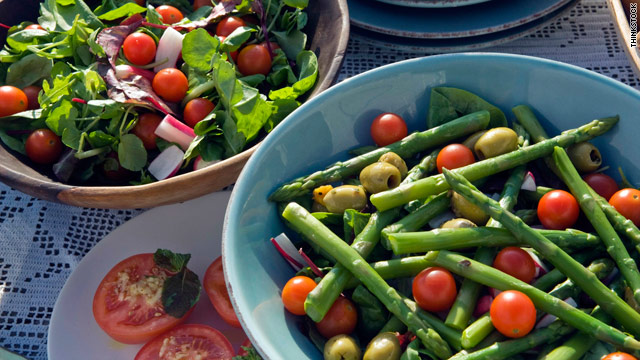
We all know that healthy foods provide all kinds of vitamins and minerals. So in addition to broccoli, citrus fruits and nuts, which ones should we focus on for stress reduction? Vegetables like tomatoes and carrots are rich in vitamins for stress relief. Spinach and pumpkin, as well as some whole grains, contain magnesium, which is known as a natural mood stabilizer. Vegetables and whole grains also contain fiber, which is helpful in treating symptoms associated with Irritable Bowel Syndrome, one of the long-term effects of stress.
Yogurt and milk provide calcium, which is essential for proper nerve impulses, and yogurt also contains lacto bacillus, a type of live bacteria that is essential for maintaining a healthy digestive system. In addition, yogurt can help neutralize stomach acidity, helping to prevent stress-induced ulcers. Milk also contains tryptophan, an amino acid that is essential for the production of serotonin, a mood stabilizer that helps reduce anxiety and depression.
When looking for meats to incorporate in a stress-reducing diet, look for varieties of fish that are known to contain high levels of omega fatty acids. This category includes mackerel, tuna, and above all, salmon. These “fatty” fish contain a good balance of Omega-3 and Omega-6 fatty acids, known to help protect your heart from heart disease, a known long-term stress risk. Of course, try to choose grilled or baked fish dishes over fried ones, lest the benefits be outweighed by the detriment of greasy coatings.
What if you want something sweet? Is chocolate the way to go? The answer is both yes and no, and it depends on your individual body chemistry and the type of chocolate that you choose. For many people, chocolate is a great way to curb stress. Until recently, it was thought that this was just because it is sweet and tasty, but several recent studies have shown that eating chocolate can reduce the amount of cortisol in your system, meaning that chocolate really does have anti-stress properties. In addition to lowering cortisol levels, cocoa has been found to be rich in antioxidants, which have been linked to a number of health benefits. These include fighting cancer and heart disease.
Research is also being performed on other compounds in dark chocolate that may offer benefits, such as reduced blood pressure and improved mood. To reap these benefits, choose your chocolate wisely. Try to find dark chocolate with at least 70% cacao. Dark chocolate has higher levels of antioxidants coupled with lower levels of sugar and fat, making it ideal for stress reduction. Studies have shown that just 40 grams of dark chocolate, eaten daily for a period of two weeks, will return stress hormone levels to normal. Eating a small amount of dark chocolate a few times a day is preferable to eating a large quantity once a day. A sandwich baggie with dark chocolate chips can be a good way to limit your intake.
Eating too much, like any sweet, can lead to blood-sugar spikes and weight gain - so be judicious in your choice of chocolate and the amount you eat. Eating milk chocolate only provides beneficial antioxidants in large quantities, and dumps a huge portion of sugar and fat into your body. Lastly, some migraine prone people have found chocolate to be one of their “triggers” for headaches, so be careful, and always pay attention to how your body reacts.